Academic Exchange / 23 Oct 2026
Connecting Languages and Civilizations through Digital Intelligence: Peking University Professor Chen Ming Visits Nanyang AI Lab for Learning
Professor Chen Ming of Peking University visited Nanyang AI Lab for Learning to share developments in the Yucang agent and a digital resource platform for ancient visual documents, and to discuss AI-enabled digital humanities research with scholars and guests from China and Singapore.
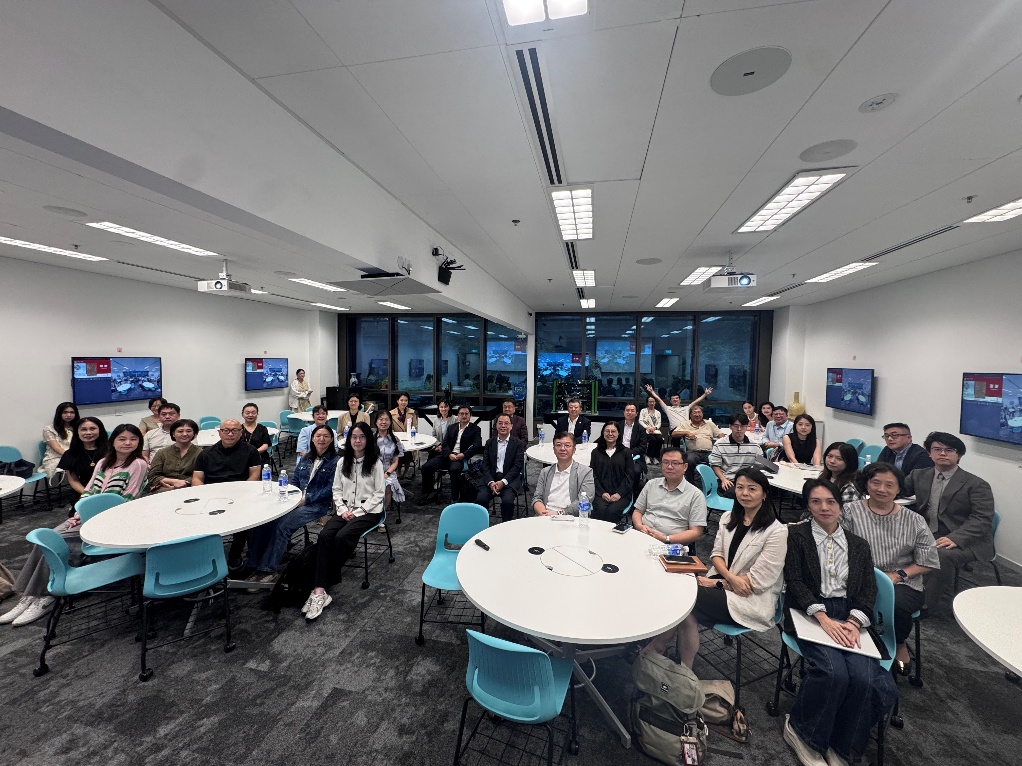
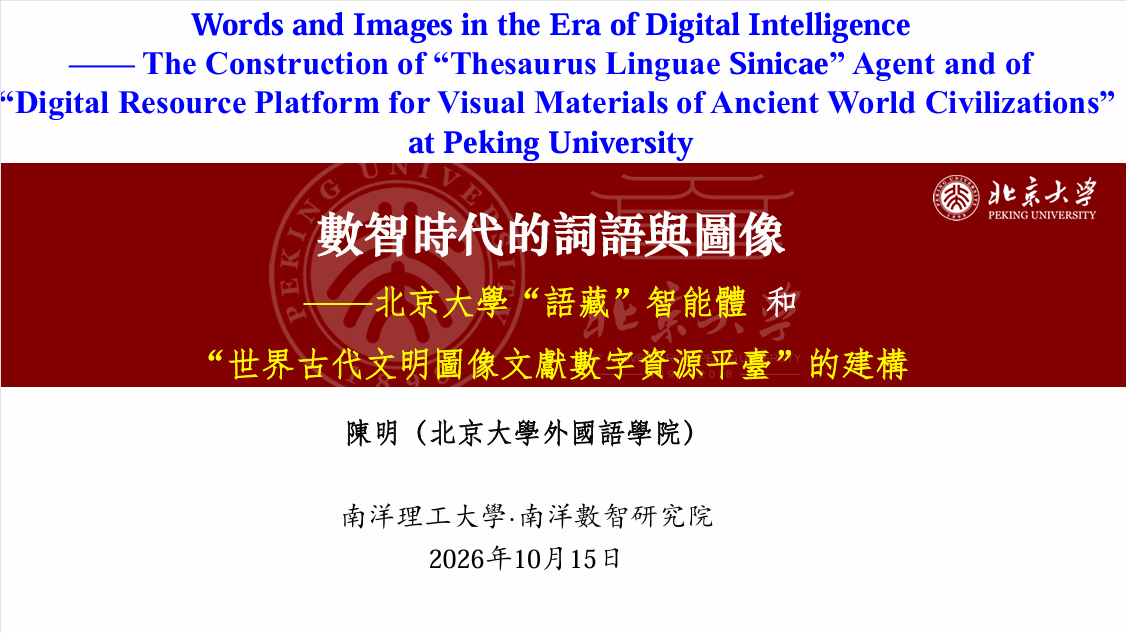
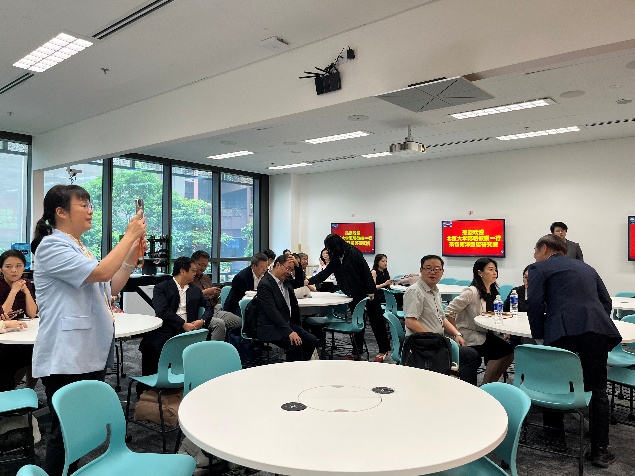
On 16 October, Nanyang AI Lab for Learning hosted an academic lecture and discussion entitled “Words and Images in the Era of Digital Intelligence: The Construction of the ‘Thesaurus Linguae Sinicae’ Agent and the ‘Digital Resource Platform for Visual Materials of Ancient World Civilizations’ at Peking University.” Professor Chen Ming, Dean of the School of Foreign Languages and Director of the Center for Eastern Literature Studies at Peking University, led a visiting delegation and delivered the lecture. Faculty and student representatives from Peking University joined guests from Singapore’s academic, research administration and cultural communities to discuss AI-enabled digital humanities research, cross-language knowledge integration, and the study of visual documents across civilizations.
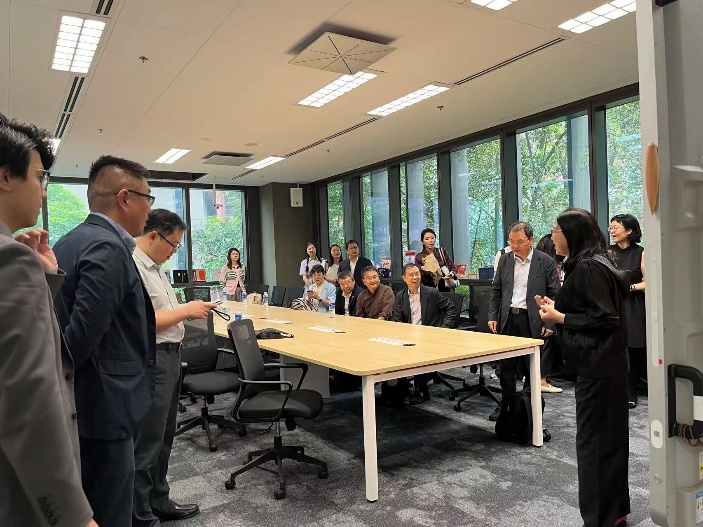
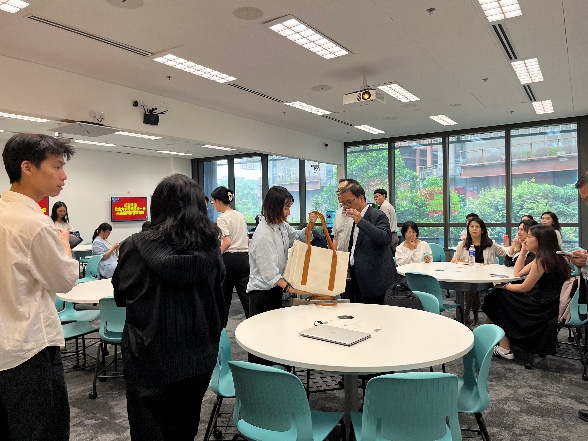
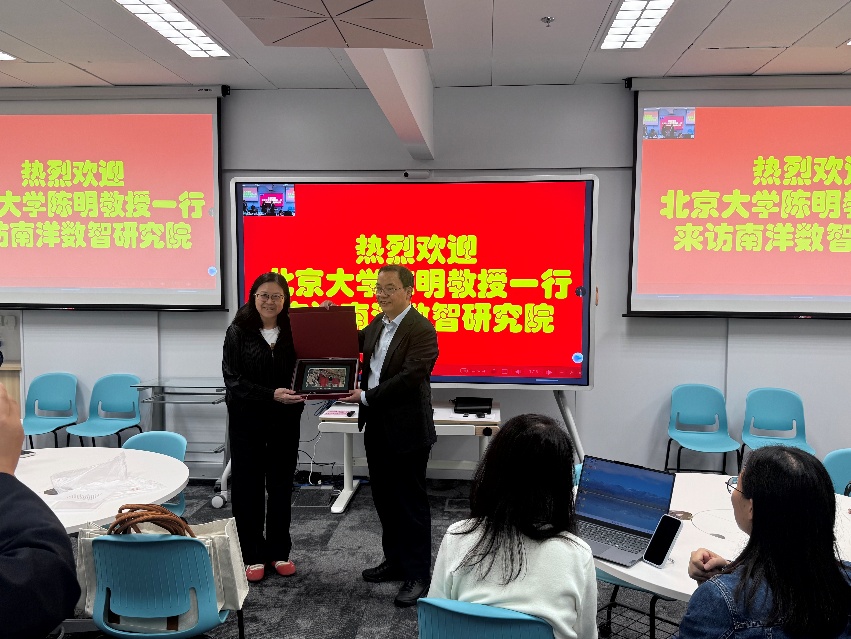
Professor Chen brought a silk painting from Peking University’s cultural merchandise collection and volumes of the Center for Eastern Literature Studies’ journal as gifts for Nanyang AI Lab for Learning and friends in Singapore’s scientific, educational and cultural communities.
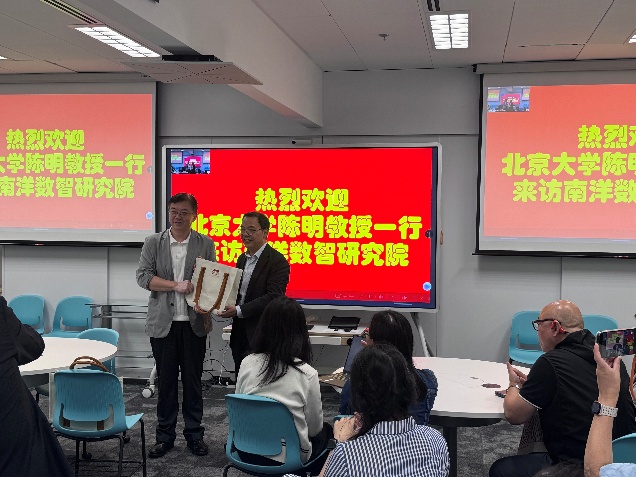
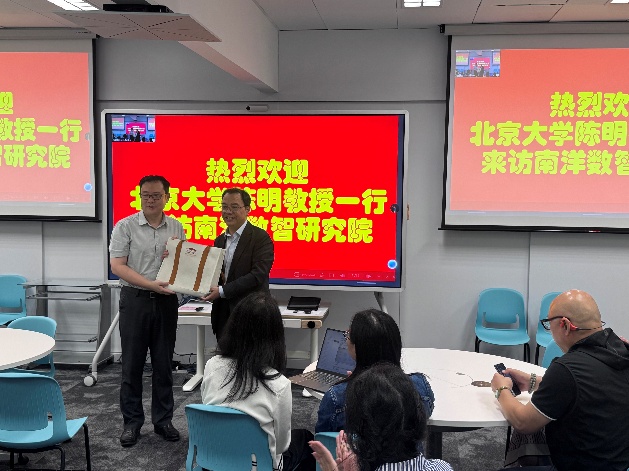
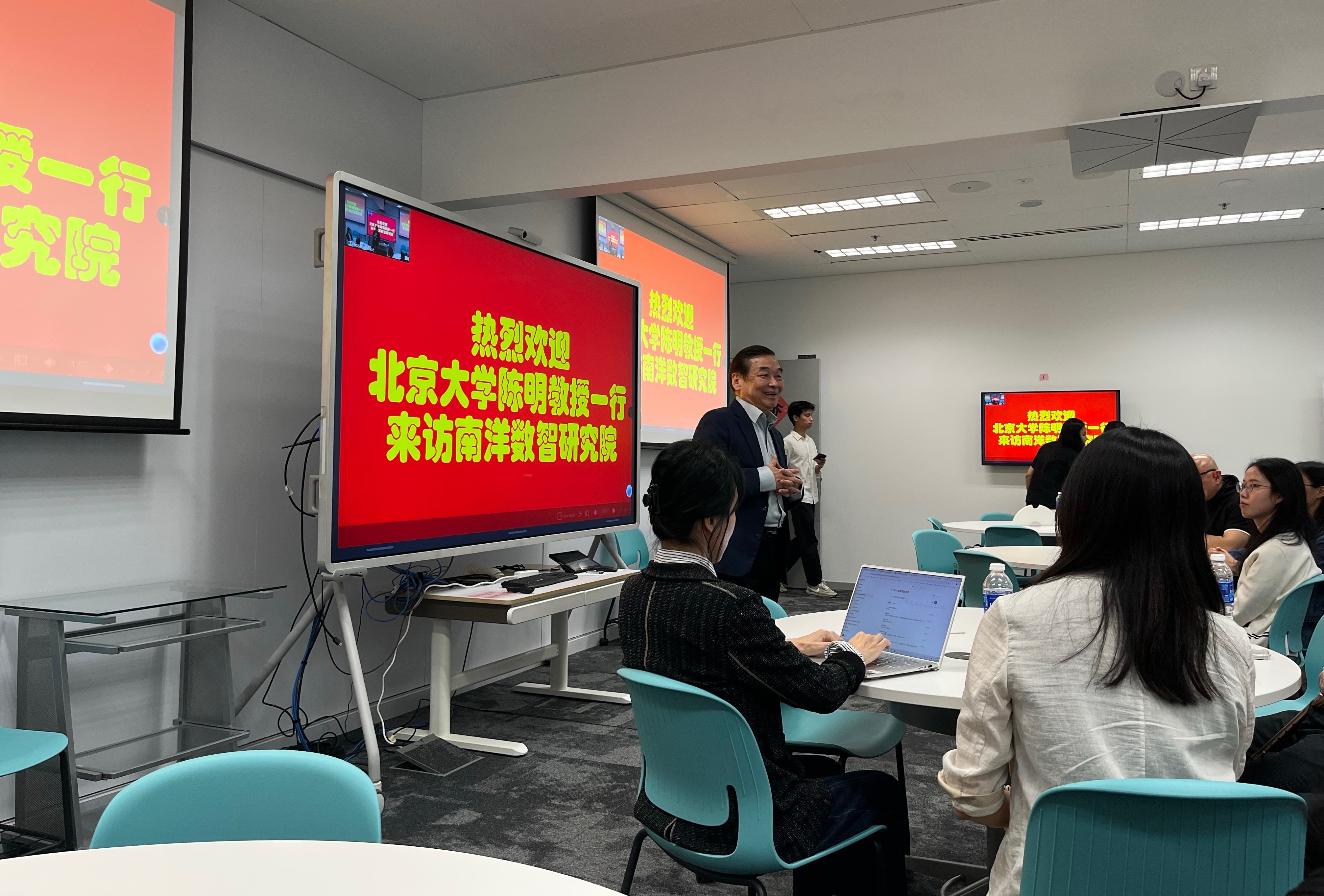
Dr. Cai Zhili chaired the lecture.
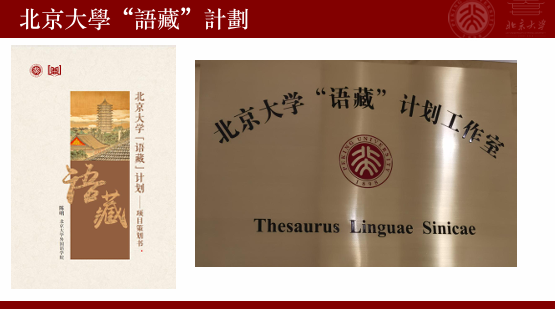
Under the theme “Words and Images in the Era of Digital Intelligence,” Professor Chen introduced two major digital humanities projects underway at Peking University: the “Thesaurus Linguae Sinicae” (Yucang) agent and the “Digital Resource Platform for Visual Materials of Ancient World Civilizations.”
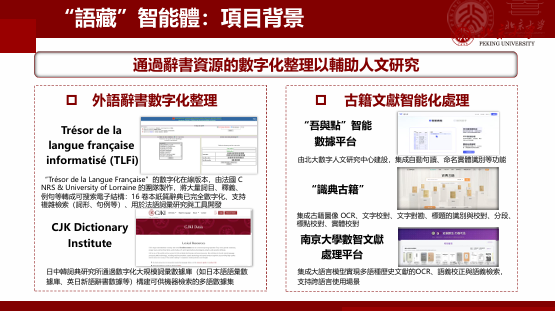
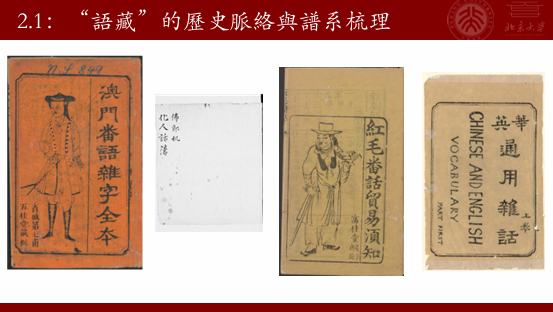
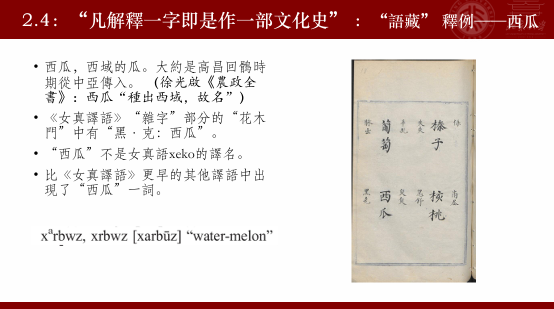
Professor Chen outlined the projects’ background, research scope and technological applications, sharing his team’s work on digitizing historical dictionaries, integrating multilingual knowledge, organizing ancient visual documents and supporting research with artificial intelligence.
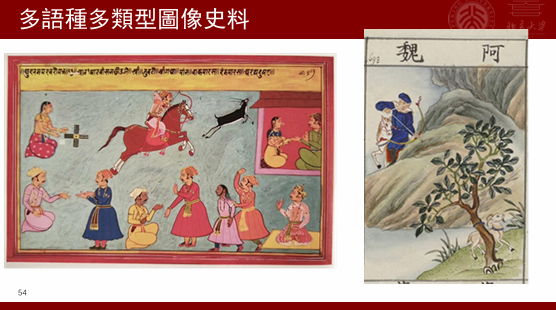
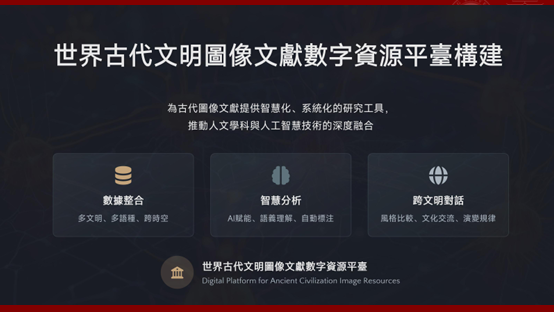
The Yucang project seeks to digitally integrate and study bilingual and multilingual dictionaries from China and abroad across historical periods. It explores how AI can support the structured organization of historical language resources, cross-language retrieval and analysis of relationships among resources. The Digital Resource Platform for Visual Materials of Ancient World Civilizations focuses on narrative visual documents from ancient civilizations around the world. Using digital platforms and multimodal AI, it aims to advance the integration, interpretation and comparative study of visual materials from different civilizations.
Professor Chen’s presentation highlighted the potential of combining digital technologies with language and literature, historical documents and the study of civilizations. It also prompted further reflection among participants on research methods and future directions for the humanities in the age of AI.
The lecture was followed by an open discussion. Guests from Singapore’s academic community, research administration bodies and cultural sector joined Peking University faculty and doctoral students from different language disciplines to explore the development and application of the projects.
Participants exchanged views on technical implementation, expert verification mechanisms, AI data security, annotation standards for AI-based restoration of cultural artifacts, and the scholarly value of interpreting documents across civilizations. The lively and substantive discussion reflected a shared interest among researchers from different disciplines in the intersection of AI and the digital humanities.
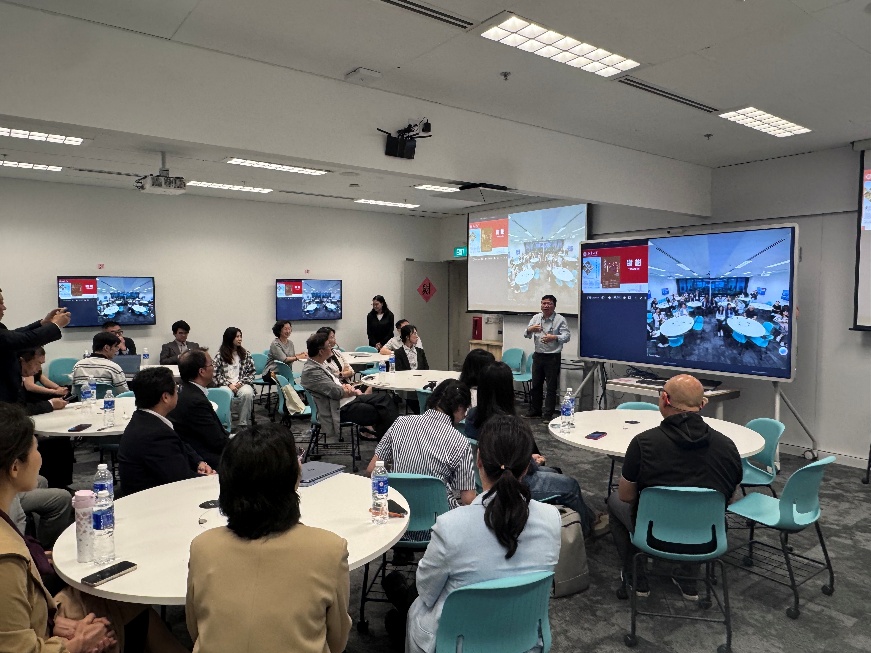
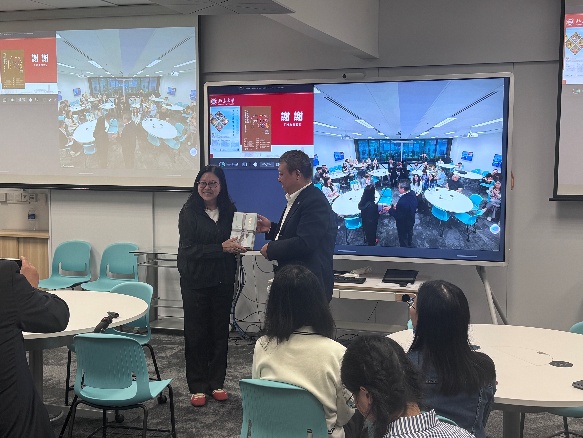
During the discussion, a Mongolian-language teacher in the visiting delegation also presented two of their own books.
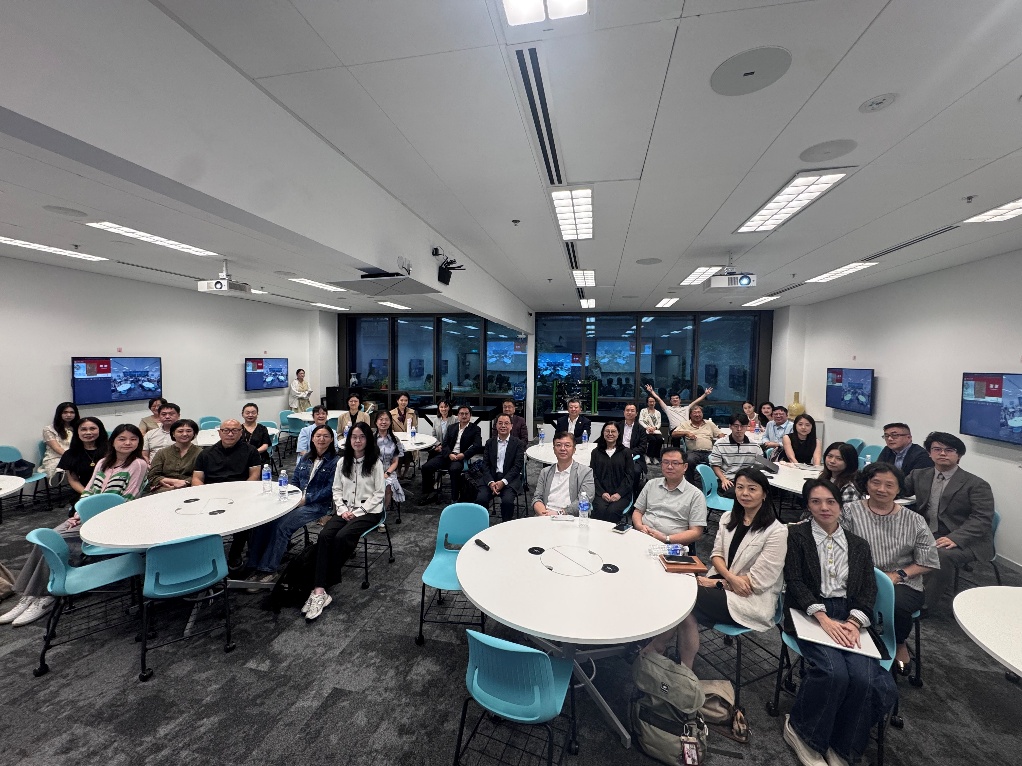
Group photograph
“There are more and more opportunities to use digital intelligence and AI in the humanities, but they really cannot compare with our face-to-face smiles and warm exchanges,” observed a Japanese-language teacher from Peking University during the discussion. The remark captured the spirit of the event. This academic visit created a platform for dialogue on the digital humanities between China and Singapore, deepened mutual understanding of language documentation and the digital study of ancient civilizations, and laid the groundwork for future academic collaboration across regions and disciplines.